
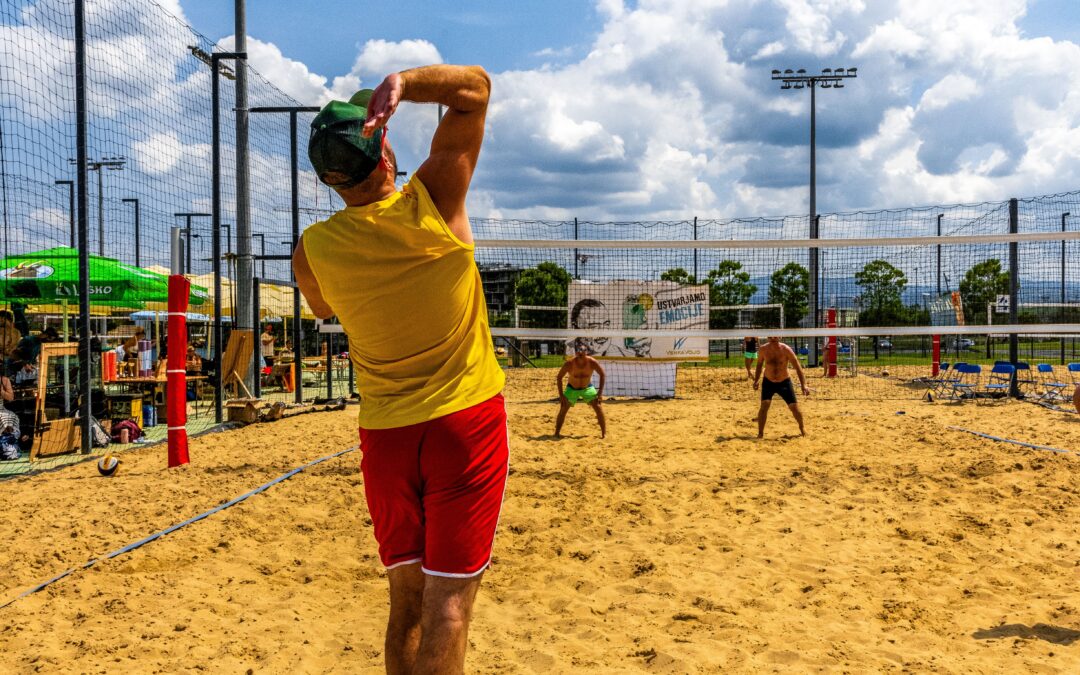
As businesses continue to refine their workplace culture, many are looking beyond conference rooms for meaningful ways to reconnect their teams. Activities such as Vaughan volleyball sessions offer employees an opportunity to interact differently, encouraging communication, teamwork, and friendly competition in an active environment.
Why In-Person Team Building Still Matters
A productive workplace depends on more than completing daily tasks. Strong teams often rely on trust, open communication, and positive working relationships. While digital tools make collaboration possible, they may not always create the same level of personal connection that develops through shared experiences.
Unlike formal workshops, recreational sports provide a relaxed setting where colleagues may interact with people they rarely work with on a daily basis.
How Volleyball Encourages Workplace Collaboration
Volleyball naturally relies on cooperation. Every point depends on players communicating, anticipating each other’s movements, and working together instead of focusing on individual performance.
For many organizations, Vaughan volleyball activities may become an engaging alternative to traditional team-building exercises because they encourage employees to:
Practice Real-Time Communication
Success on the court depends on constant communication. Calling for the ball, organizing defensive positions, and supporting teammates all require clear, timely interaction—skills that also benefit workplace collaboration.
Build Trust Naturally
Players depend on one another throughout every rally. That reliance helps reinforce trust without structured team-building exercises or presentations.
Welcome Different Skill Levels
One advantage of recreational volleyball is that participants do not need extensive experience to enjoy the game. Mixed skill levels may encourage experienced players to support beginners, creating opportunities for mentorship and inclusion.
Moving Beyond the Office Environment
Changing the setting often changes how people interact. Employees who may rarely speak during workdays frequently connect more naturally during recreational activities.
Holding events away from office desks may also help reduce workplace hierarchy for a short time. Managers and team members participate together toward a shared objective, allowing conversations and relationships to develop more organically.
These experiences may contribute to stronger workplace morale once everyone returns to their daily responsibilities.
Choosing the Right Venue for Corporate Activities
Selecting an appropriate venue plays an important role in creating a successful event. Organizations often look for facilities that provide ample space, flexible booking options, and multiple activity choices.
GTA Sportsplex features an approximately 80,000-square-foot indoor multi-sport facility with maple hardwood courts that accommodate both basketball and volleyball, along with additional sports programs and rental opportunities. The facility also offers court rentals that may accommodate private group events depending on organizational needs.
Ideas for a Volleyball Team-Building Event
Every organization has different goals, so activities can be adapted to suit various team sizes and experience levels.
Some ideas include friendly department-versus-department matches, mixed teams that encourage employees from different departments to collaborate, short skill-building warm-up sessions before games, mini tournaments with rotating teams, and recognition awards focused on teamwork, communication, or sportsmanship.
Strengthening Company Culture One Game at a Time
Building a positive workplace culture is an ongoing process. While virtual collaboration continues to play an important role in modern business, face-to-face experiences remain valuable for strengthening employee relationships.
Sports-based activities such as volleyball may encourage communication, cooperation, and shared problem-solving in ways that differ from everyday office interactions. As organizations continue adapting to evolving work environments, creating opportunities for employees to connect beyond their computer screens may contribute to stronger teamwork, greater engagement, and a more connected workplace culture.